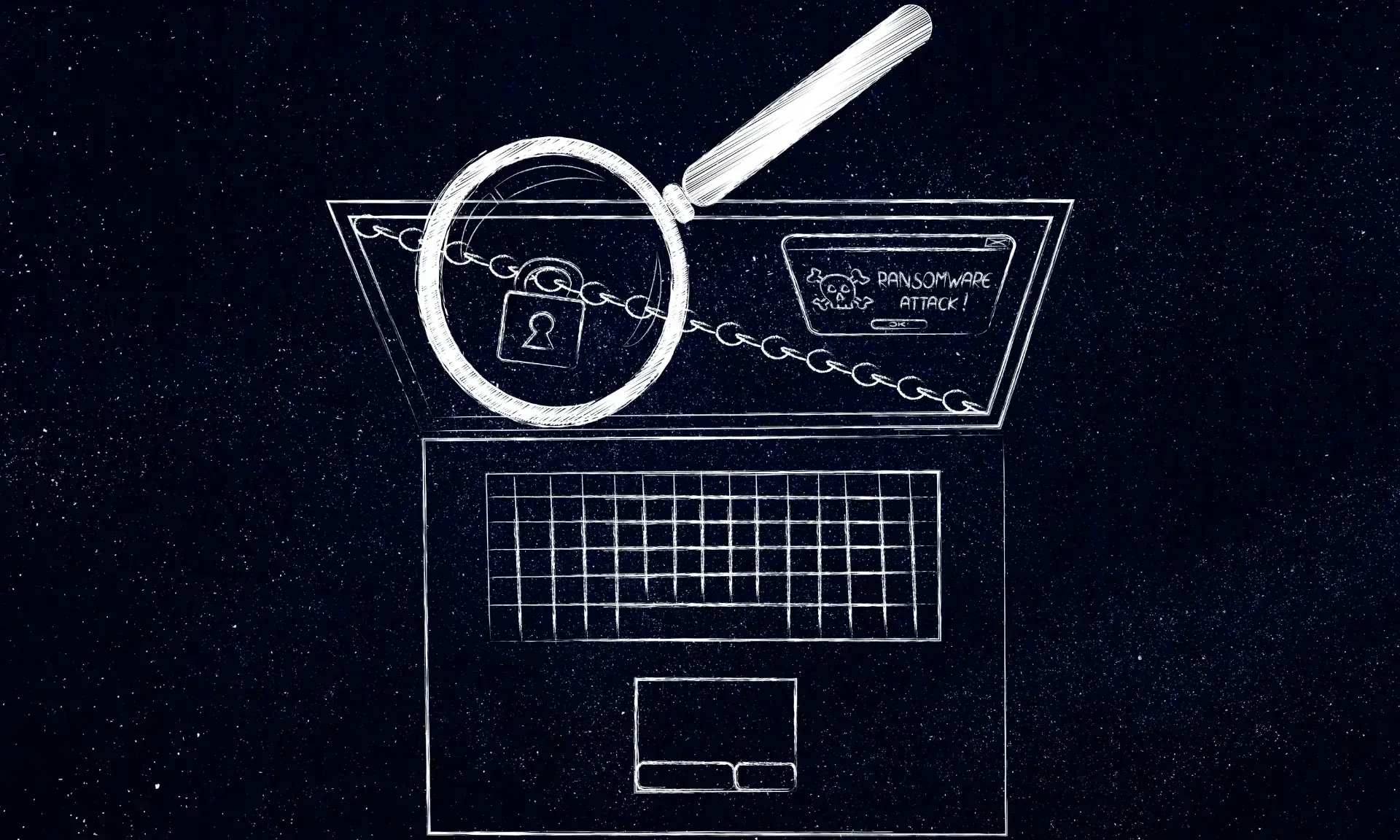
Microsoft’s recent disruption of the Fox Tempest operation is another reminder that modern cybercrime no longer operates as isolated attacks. It functions as a business ecosystem with specialized services designed to help threat actors move faster, avoid detection, and scale their operations. In this case, Microsoft identified Fox Tempest as a “malware-signing-as-a-service” platform that enabled ransomware operators and other cybercriminals to disguise malicious code as legitimate software using fraudulent code-signing certificates.
The significance of this case extends beyond one takedown. Fox Tempest demonstrates how cybercrime has matured into a service-based economy where attackers can purchase access to sophisticated tools rather than develop them internally. Microsoft noted that these services are becoming increasingly modular, allowing cybercriminals to combine ransomware, phishing infrastructure, malware signing, credential theft, and AI-assisted social engineering into coordinated attack chains.
For organizations, that shift changes the conversation around preparedness. The question is no longer whether a company is large enough to become a target. The reality is that criminal services have lowered the barrier to entry for attackers, making campaigns more automated, more convincing, and more scalable. Industries ranging from healthcare and education to financial services and government have already been affected by operations tied to Fox Tempest.

Companies like DigitalMint Cyber play an important role in that preparedness strategy. A cybersecurity retainer gives organizations immediate access to incident response expertise, forensic support, ransomware negotiation guidance when appropriate, and strategic advisory services during high-pressure situations. Instead of scrambling to identify vendors after an attack has already impacted operations, organizations with an established retainer relationship can activate response protocols immediately.
Microsoft’s work against Fox Tempest highlights another important point: cybersecurity today requires collaboration. The company worked alongside law enforcement agencies, industry partners, and threat intelligence teams to disrupt infrastructure supporting cybercriminal activity. Organizations should take a similar approach internally by ensuring they have trusted external partners, clear escalation paths, and tested response plans ready before an incident unfolds.
The Fox Tempest case is not simply a story about malware certificates or ransomware gangs. It reflects the growing sophistication of the cybercrime economy and the importance of preparedness, visibility, and rapid response. As attackers continue investing in services that improve the effectiveness of their operations, businesses must invest in partnerships and response strategies that strengthen resilience on their side as well. Organizations looking to evaluate their incident response readiness, ransomware preparedness, or cybersecurity retainer strategy can contact DigitalMint to learn how proactive support and rapid-response capabilities can help reduce operational and financial risk before an incident occurs.