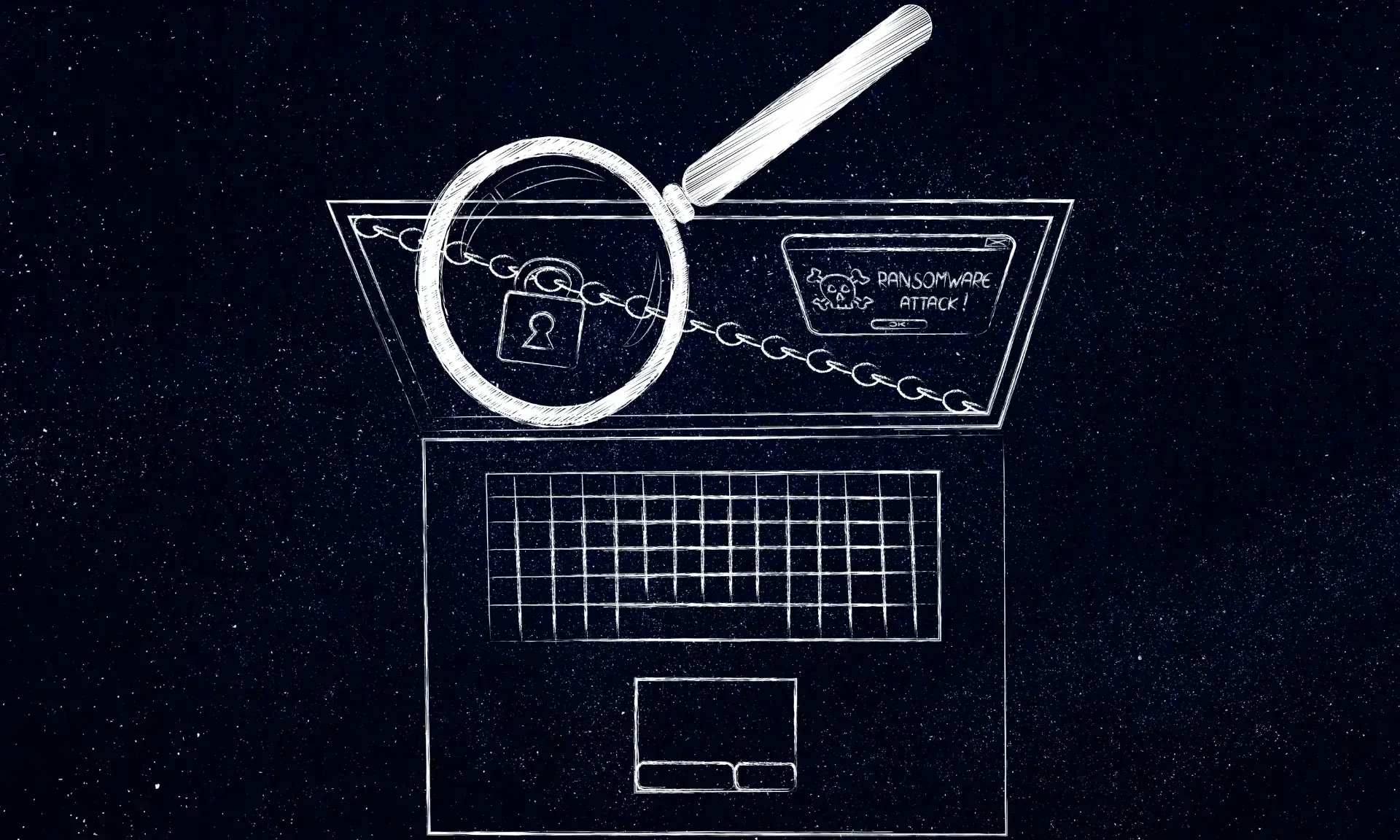
Ransomware remains one of the most persistent and financially damaging cyber threats facing enterprises today. Threat actors continuously evolve their techniques to evade detection, exploit human error, and leverage weaknesses in IT infrastructure. Understanding the most common ransomware attack vectors is essential for designing effective prevention, detection, and incident response strategies.
Email Phishing and Social Engineering
From sophisticated ransomware campaigns to AI-powered scams and deepfakes, the threats have leveled up and so should your defenses. But here’s the good news: You don’t need to be a cybersecurity expert to stay secure. What you do need is practical awareness and consistent cyber hygiene that make it a lot harder for attackers to break in. Think of it as digital self-care where small, proactive actions protect your information, identity, and business from evolving cyber threats.
Exploiting Unpatched Vulnerabilities
Ransomware operators frequently exploit publicly known but unpatched software vulnerabilities to gain initial access. Vulnerabilities in VPN appliances, web applications, remote desktop services, and operating systems are common targets. Once exploited, attackers establish persistence and move laterally using legitimate administrative tools such as PowerShell or PsExec. Failure to maintain an effective patch management process or to deploy compensating controls such as virtual patching can leave organizations exposed to large-scale ransomware infections.
Compromised and Stolen Credentials
The black market for stolen credentials fuels many ransomware campaigns. Credentials obtained through data breaches, infostealer malware, or phishing are used to access enterprise systems directly. Attackers often leverage Remote Desktop Protocol (RDP) or cloud service accounts with weak authentication controls. Multi-factor authentication (MFA) bypass techniques such as session hijacking or MFA fatigue attacks have become increasingly common. Once inside, adversaries escalate privileges and disable endpoint protection to execute the ransomware payload.
Drive-By Downloads and Malvertising
Another frequently exploited vector involves malicious advertising, also known as malvertising, or compromised websites that deliver drive-by downloads. Simply visiting an infected site can trigger the download of a malicious script or exploit kit that installs ransomware without any user interaction. Although modern browsers have improved sandboxing and protection mechanisms, unpatched plugins or outdated browser versions remain vulnerable.
Supply Chain Compromises
Ransomware operators increasingly target third-party software providers or managed service providers (MSPs) to distribute malware downstream to multiple organizations simultaneously. By compromising a trusted vendor’s update mechanism or remote monitoring tools, attackers can deploy ransomware across entire customer environments. These attacks highlight the importance of continuous vendor risk assessment, software integrity monitoring, and secure code-signing practices.
Building a Resilient Defense
Mitigating ransomware requires a layered security approach that includes continuous vulnerability management, network segmentation, endpoint detection and response (EDR), and robust data backup strategies. Threat intelligence integration can help identify emerging indicators of compromise (IOCs) and active ransomware campaigns before they impact your environment.

Partner with Experts in Ransomware Recovery and Threat Intelligence
Ransomware incidents demand rapid, expert response. Whether you are recovering from an active attack or strengthening your organization’s resilience, DigitalMint Cyber specializes in ransomware recovery, digital forensics, and advanced threat intelligence. We help organizations contain attacks, restore operations, and proactively reduce future risk.

Contact us today to discuss how we can help protect your business from evolving ransomware threats.