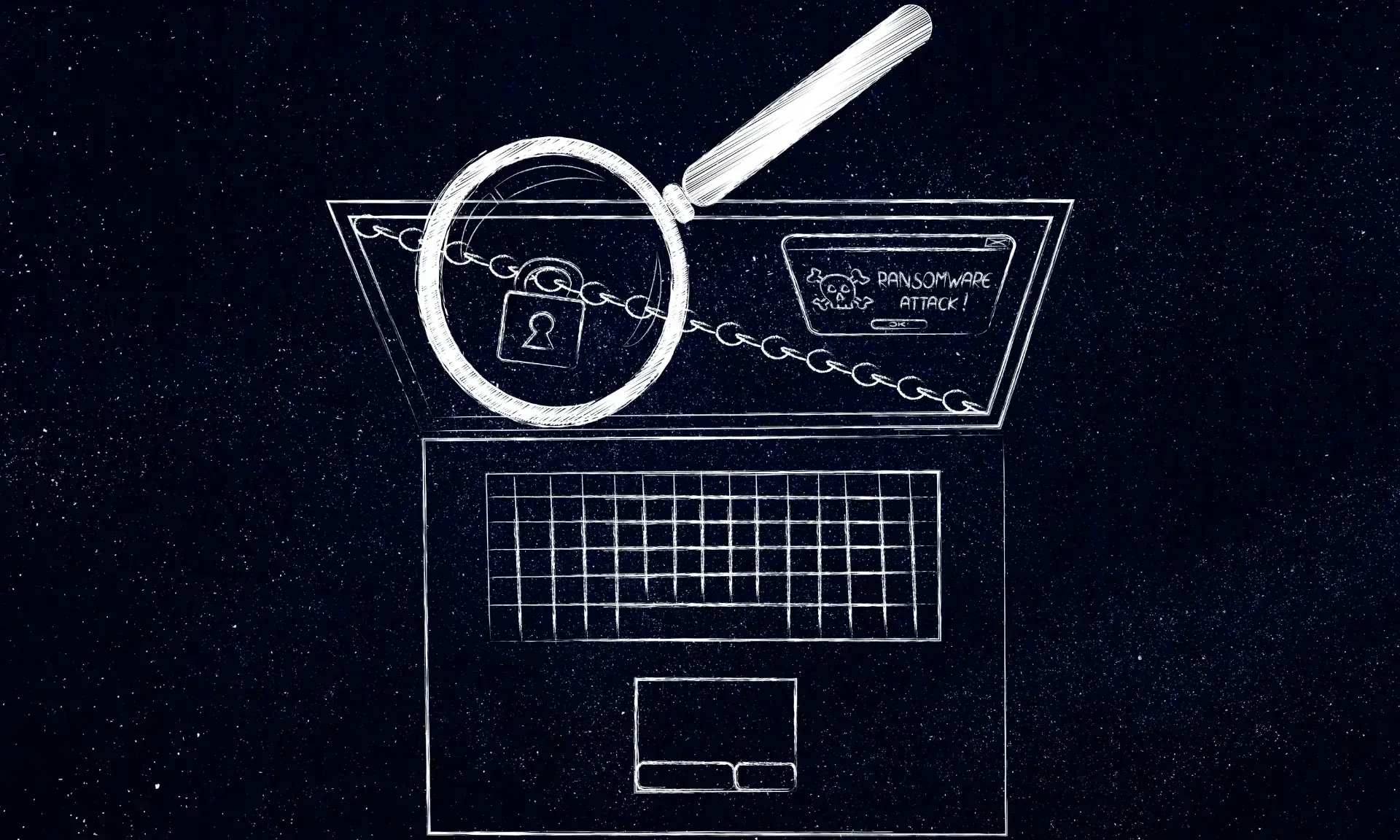
Many organizations still believe they are too small, too niche, or too mature to attract ransomware operators. This assumption feels reasonable on the surface, especially for enterprises with strong controls, limited public exposure, or no brand recognition outside their industry. Unfortunately, ransomware groups do not operate on perception. They operate on efficiency, access, and probability of payout.
Modern ransomware campaigns are driven by automation and scale. Initial access brokers sell footholds in organizations of all sizes, often without knowing or caring who the final victim is. Ransomware affiliates purchase access in bulk and deploy attacks wherever conditions look workable. In this model, being smaller or less visible does not reduce risk. It often increases it, because attackers assume fewer detection controls and slower response.
Mature security programs are not immune either. Many attacks succeed not because of missing tools, but because of trust relationships, legacy systems, or operational complexity. Large enterprises offer rich environments where a single compromised identity can unlock multiple paths to impact. Attackers are patient and methodical, exploiting the gaps that inevitably exist in any real-world environment.

Another misconception is that ransomware is only deployed against organizations with obvious ability to pay. In practice, attackers frequently do not know financial details until after access is gained. They assess value once inside by reviewing systems, data sensitivity, insurance indicators, and executive communications. By the time an organization realizes it has been targeted, the decision to proceed has often already been made.
Ransomware has also shifted away from purely encrypting systems. Data theft and extortion have become central to the business model. This change removes many of the traditional barriers organizations relied on for safety, such as strong backups or fast restoration. Even companies confident in their recovery capabilities can find themselves exposed through stolen data, regulatory pressure, or customer trust erosion.
The belief that maturity equals immunity creates a dangerous blind spot. It delays recovery planning, limits executive engagement, and fosters overconfidence in prevention controls. Organizations that fare best in ransomware incidents are not the ones that assumed they were safe, but the ones that assumed compromise was possible and prepared accordingly.


If your organization has not pressure tested its ransomware recovery assumptions, now is the time to do so. We help CISOs and executive teams assess real-world ransomware risk and build recovery strategies that work under pressure contact us to discuss how we can support your organization before an incident forces the conversation.