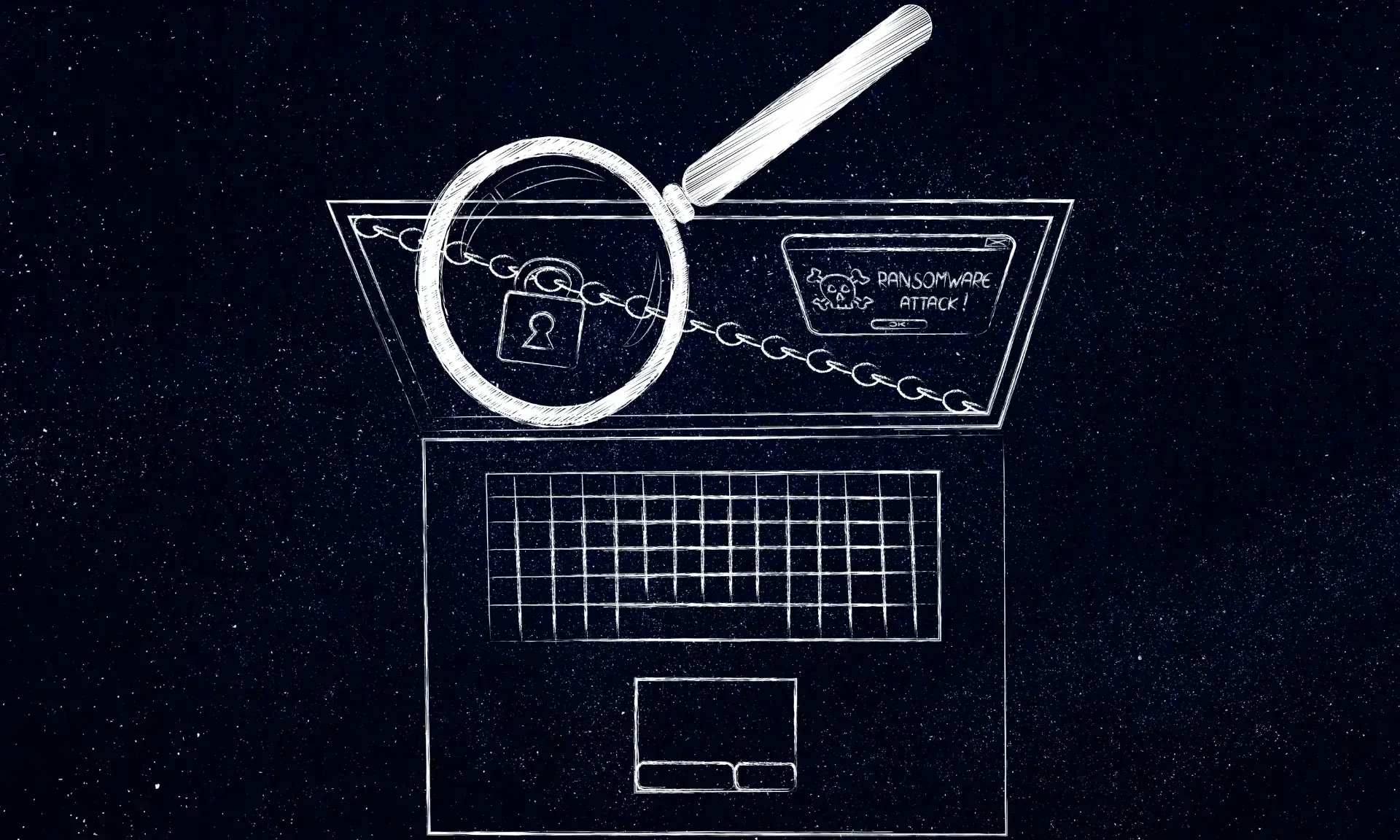
Organizations are investing more heavily in cybersecurity training than ever before, and for good reason.
According to recent research highlighted by Cybersecurity Dive, “With cybersecurity risks growing more complex, companies are investing in their workers to combat phishing, ransomware and other threats. Roughly three-quarters (73%) of respondents said their organizations had increased their security training budgets in the past year.”
The finding reflects a growing reality facing security leaders: cyber threats are evolving rapidly, and organizations need employees who can recognize risks, respond appropriately, and support broader cybersecurity efforts.
As attackers adopt new tactics and technologies, including AI-powered tools, cybersecurity readiness is no longer solely a technology challenge. It is a workforce challenge as well.
Why Organizations Are Increasing Training Investments
Ransomware groups are becoming more sophisticated, social engineering attacks are more convincing, and employees are increasingly using emerging technologies such as generative AI in their day-to-day work. Each of these developments introduces new risks that organizations must address.
To keep pace, many organizations are moving beyond traditional annual awareness training and investing in more frequent, role-specific education programs. Continuous learning models help employees stay informed about evolving threats while reinforcing secure behaviors throughout the year.
The goal is not simply to meet compliance requirements. It is to build a workforce that can actively contribute to organizational resilience.
Training Is Essential—But It Is Not Enough
While increased cybersecurity training budgets are encouraging, training alone cannot eliminate cyber risk.
Even organizations with mature security awareness programs can experience ransomware attacks, business email compromise incidents, credential theft, and other cyber events. Threat actors continue to evolve their techniques, and no training program can prevent every mistake or stop every attack.
The most effective organizations recognize that cybersecurity preparedness requires more than awareness. It requires a comprehensive strategy that includes employee education, incident response planning, executive alignment, technical controls, and recovery capabilities.
Training helps employees identify threats. Preparedness helps organizations minimize impact when incidents occur.
Building Cyber Resilience in an Era of Rapid Change
These challenges highlight a broader issue: cybersecurity readiness is not a one-time initiative. It is an ongoing process that requires continuous improvement.

Organizations investing in cybersecurity training should also evaluate how prepared they are to respond when a significant incident occurs. Questions such as how ransomware demands would be handled, who would coordinate response efforts, and what recovery processes are in place can be just as important as the training itself.
The organizations that will be most resilient are those that combine workforce readiness with operational preparedness.
Turning Training Investments Into Real-World Preparedness
Increasing cybersecurity training budgets is a positive step toward strengthening security posture. But the ultimate objective is not simply delivering more training, it is reducing organizational risk.
Employees who understand how to recognize threats are an important first line of defense. Equally important is ensuring the organization has experienced partners, established response processes, and the ability to act quickly when incidents occur.
As cyber threats continue to evolve, organizations should view cybersecurity training as one component of a larger resilience strategy designed to prepare for, respond to, and recover from cyber incidents.

Ransomware and cyber-extortion incidents are becoming faster-moving, more sophisticated, and increasingly tied to cryptocurrency-based demands. When organizations are under pressure, delays and uncertainty in response can significantly increase operational and financial impact.
DigitalMint provides specialized, end-to-end support for ransomware and cyber-extortion cases, including incident response coordination, ransomware negotiation, and cryptocurrency payment facilitation. Our team helps organizations act quickly, reduce downtime, and navigate complex threat actor demands with experienced, real-world expertise.

Whether you are actively managing an incident, evaluating your response readiness, or looking to strengthen your organization’s preparedness strategy, DigitalMint can help.
Contact DigitalMint to engage our incident response and ransomware recovery specialists today.