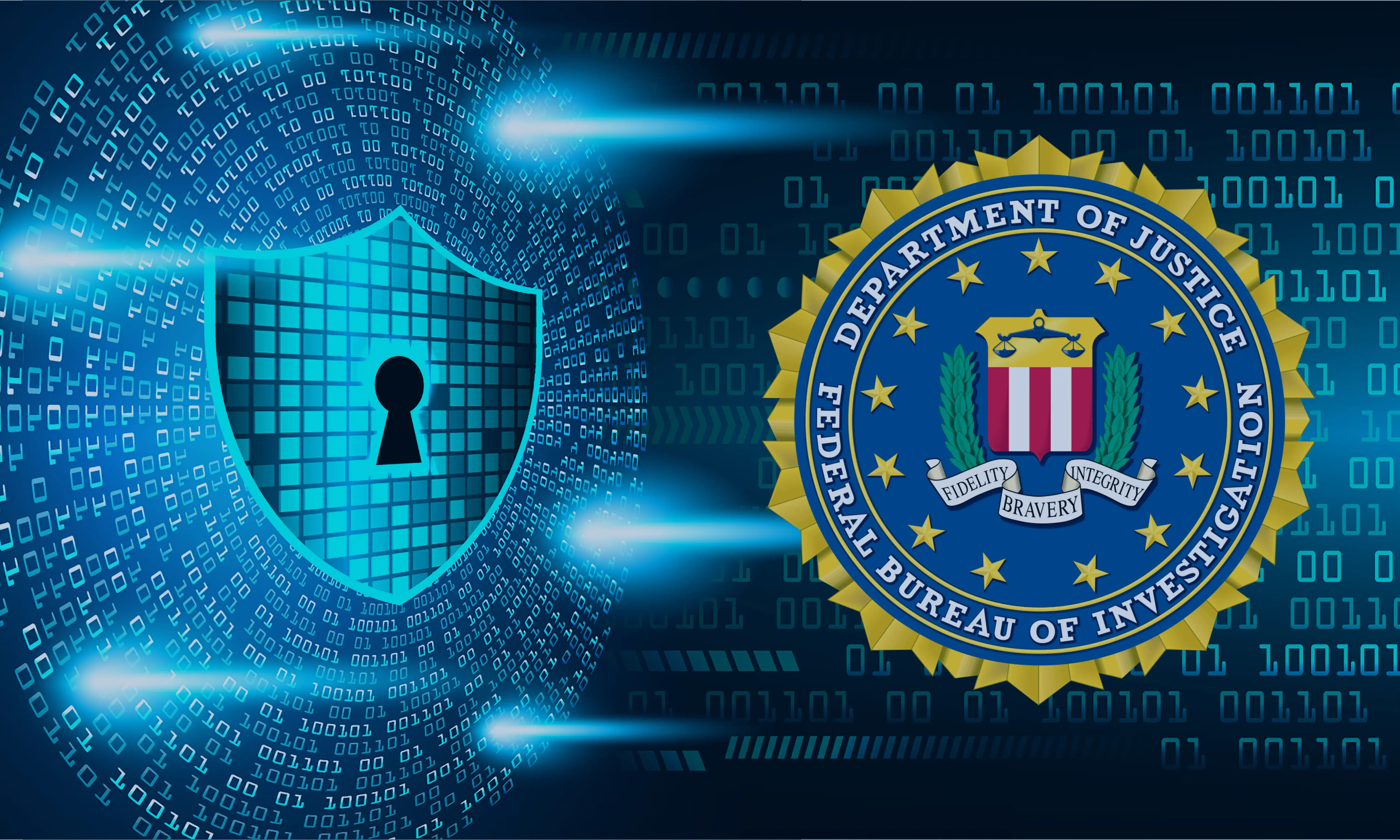
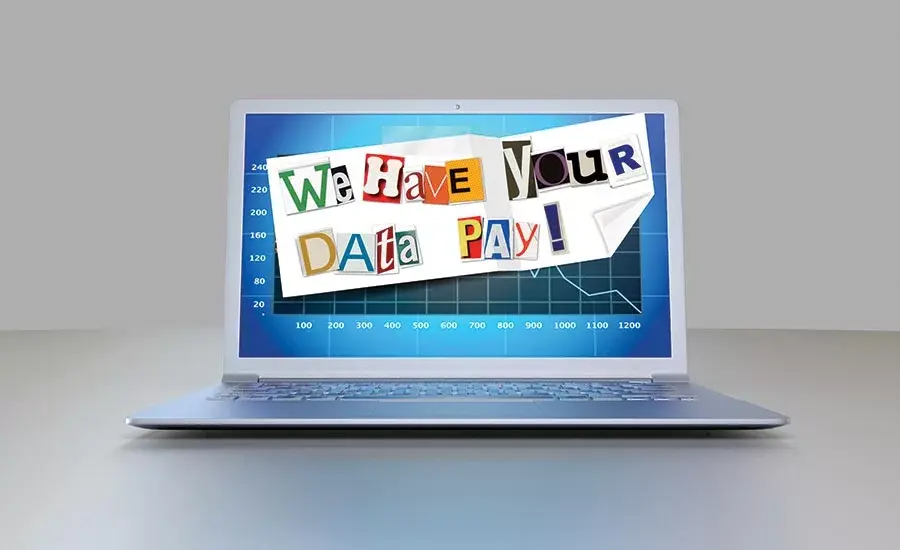
Cybercriminals are increasingly using impersonation tactics to trick users into opening malicious files, and a recent report from Infosecurity Magazine highlights a campaign where attackers pose as Interpol to add legitimacy to phishing emails. The report explains that victims are being targeted with messages claiming involvement in investigations or suspicious activity, often designed to trigger fear and prompt immediate action.

Security tools can reduce risk, but user behavior still plays a major role. Keeping devices updated reduces exposure to known vulnerabilities that attackers rely on after a successful click. Using multi-factor authentication adds another barrier that can limit damage if credentials are compromised. For organizations, consistent awareness training helps users recognize when a message is trying to create pressure rather than provide legitimate information.
The key issue in campaigns like this is not just the impersonation itself, but the way it is designed to bypass careful thinking by creating urgency. Taking a moment to verify the source before interacting with any message remains one of the most effective defenses available.